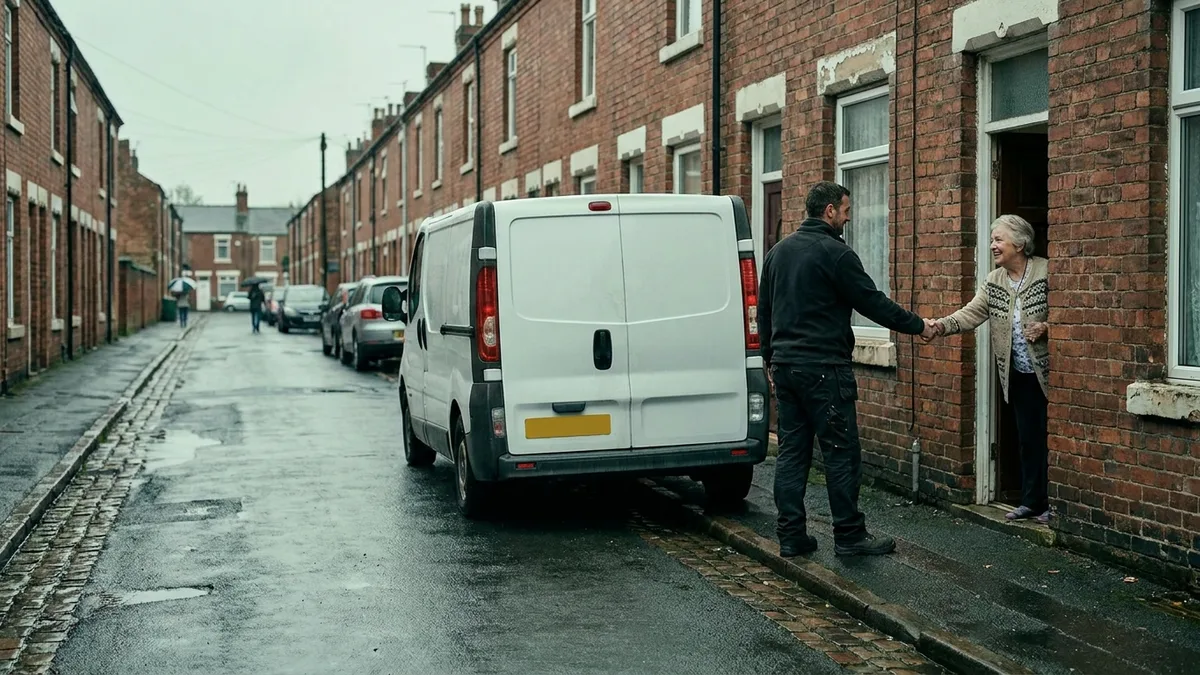
Three reviews from 2022 will not do
Somebody looking for a plumber in Boston or a hairdresser in Louth gets a map with three names on it, and the first thing they weigh is the row of stars and the number in brackets beside it. That comparison happens before anybody clicks anything. It is why a business with a plain website and forty recent reviews takes work off a business with a lovely one and four.
BrightLocal's 2026 Local Consumer Review Survey puts numbers on it: 97% of people read reviews for local businesses, 68% want to see at least four stars before they will consider one, and 31% say they will now only use a business rated four and a half or better. The figure that catches owners out is a quieter one. 74% go looking for reviews written in the last three months.
That last one changes what the job is. Reviews go off. A page of five stars from 2022 reads, to somebody standing in the street in 2026, as a business that used to be good, and you cannot go back and change the dates on them. So what you are after is a few arriving every month for as long as you are trading, rather than a total you got to once.
Asking is fine. Steering is where firms come unstuck
Collecting reviews is legal, free and encouraged. What has changed is the boundary around how you collect them, and it is now consumer law rather than a platform's house rules. The Digital Markets, Competition and Consumers Act 2024 made fake and misleading reviews a banned practice in April 2025. The Competition and Markets Authority published guidance alongside it and allowed a three-month adjustment period, which ran out in late July 2025.
It then went looking. The CMA reviewed more than 100 websites and found 54 businesses that appeared not to comply, mostly for having no published policy against fake reviews and no clear line on incentivised ones. On 27 March 2026 it opened its first five investigations under the new powers: Auto Trader and the review platform Feefo, over one-star reviews that were not published or counted in a rating; Just Eat, over inflated restaurant and grocer star ratings; Dignity, over staff being asked to write positive reviews of crematorium services; and Pasta Evangelists, over discounts offered for five-star reviews without disclosing the incentive.
Those are large companies, and the fines the CMA can now impose directly, up to 10% of worldwide turnover, are not aimed at a one-van operation. The law has no small business exemption though, and the four practices under investigation are the four shortcuts a small firm is most tempted by: hiding the bad one, nudging the rating up, asking staff to chip in, and offering something in return.
What Google forbids, in its own words
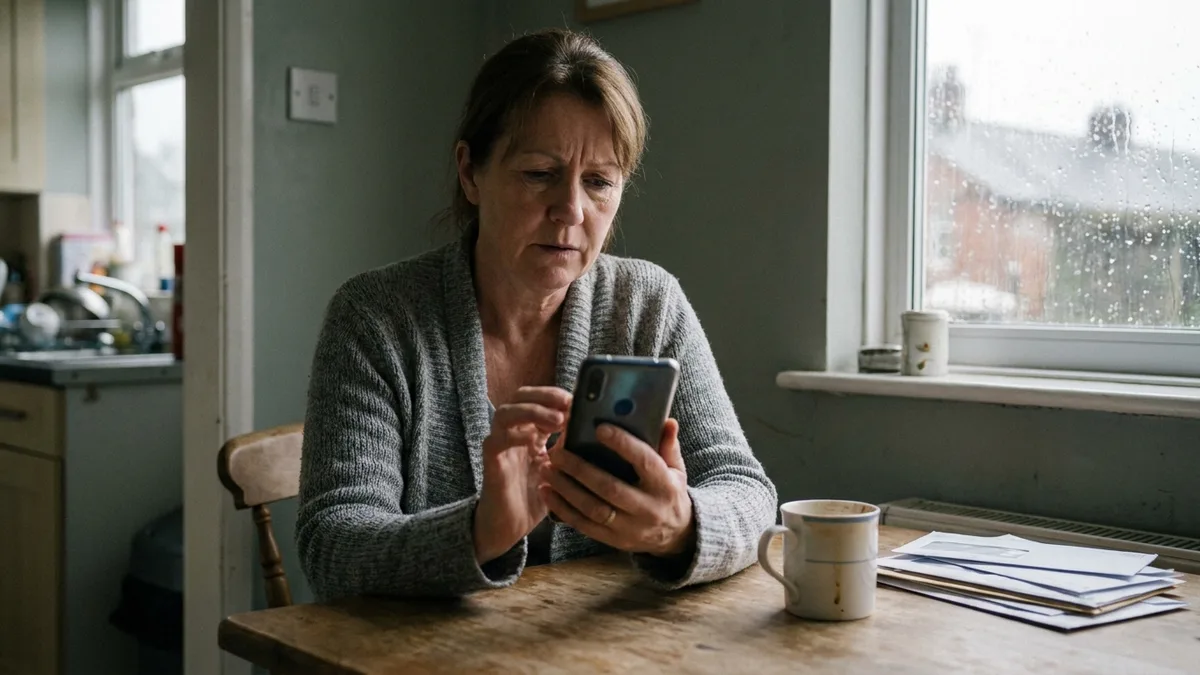
Google's contributor policy is shorter and blunter than the legislation, and two lines of it cover most of what a small business needs. You must not "offer incentives, such as payment, discounts, free goods and/or services, in exchange for posting any review or revision or removal of a negative review". And you must not "discourage or prohibit negative reviews, or selectively solicit positive reviews from customers".
The second line is the one that surprises people, because the thing it bans feels like common sense. Sending the review link only to customers you already know were pleased, or asking how it went first and passing the link on to whoever answers well, is review gating, and it breaks the policy however politely it is done. So does a prize draw for reviewers, money off the next job, or a free coffee for five stars. So does asking staff, mates and family, which falls foul of the conflict of interest rule along with anyone who has a contractual or professional tie to the business.
What the same policy explicitly allows is everything you actually need. You may "solicit or encourage the posting of content that does represent a genuine experience, without offering incentives to do so or attempting to influence the rating or the contents of the review". Ask everyone, ask straight, and do not tell them what to write. The rest of this fits inside that sentence.
The ask that works
Most of the gap between a business with six reviews and the same business with sixty comes down to whether anybody asks. Not a campaign, just asking out loud at the end of the job.
Timing matters more than wording. The moment is while the work is fresh and the customer has just thanked you, not three weeks later when the boiler is only a boiler again. One sentence will do it: it makes a real difference to a one-man business, would you mind leaving a review on Google? Most people say yes, and most people then forget, which is what the link is for.
Fetch that link out of your Google Business Profile, where an "Ask for reviews" button hands you a short one you can text. Send it while you are still stood there, or attach it to the invoice. Print it as a QR code on the card you leave behind, on the counter, on the back of the van. All you are removing is the ten seconds of searching where somebody gives up. If you have not claimed the profile yet, the free Google listing that does the heavy lifting covers that part first.
One reminder a fortnight later is fair, and then leave it alone. Send it to everybody, including the job that went sideways. Picking out your favourites is the gating problem again, and an occasional four-star with a specific gripe in it does you more good than an unbroken run of fives, which reads as too tidy to be real.
Reply to all of them, especially the bad one

Replying is half the value of the whole exercise, and it is the half that gets skipped. BrightLocal's 2026 survey found that 89% of consumers expect a business to respond to reviews, and 81% expect it within a week. Every reply is read by people who will never write a review themselves, and they read it as a sample of what you are like to deal with when something goes wrong.
For a good one, a line is plenty, and naming the person and the job beats fifteen identical thank-yous. For a bad one, keep it short: thank them for saying so, do not argue the detail in public, say what you have changed or offered, and give them a direct way to reach you. Write it the following day rather than the same hour.
Do not go hunting for a removal because a review stung. Google will take down one that breaks its policies, meaning fake, abusive, or about a different business altogether, and those are worth reporting. A real customer saying you turned up late is none of those, and burying it is precisely the behaviour the CMA opened a case about in March. An honest bad review with a decent reply under it costs you far less than it feels like it does.
A trickle, forever
None of this needs a system to start with, only a line at the bottom of the job sheet so the ask happens whether or not you remember. Two or three a month, indefinitely, beats twenty in a fortnight followed by silence, both for the customer hunting for something recent and for Google, which pays attention when a profile that never had reviews suddenly has thirty.
If you know you will not do it by hand, have it done for you. Getting more Google reviews is £49 to set up and then £15 a month including VAT, sending one text or email per customer at the right moment and staying inside the rules above, and it comes with the £79 a month plan alongside the SEO work. If your customers are local, the web design in Lincolnshire page shows how the listing, the reviews and the website are meant to work as one thing rather than three.
Ask everyone, ask while the job is fresh, do not tell anybody what to write, and answer what comes back. The hard part is not understanding any of that, it is remembering in a week when you are flat out. If you would rather the asking ran itself, get in touch.
Want the asking handled for you? One well-timed request per customer, by text or email, inside the rules above.