
Why this matters more than most trades and hospitality owners realise
Most people who land on your website have never met you. They don't know if you turn up on time, whether your food is any good, or if you'll answer the phone when something goes wrong. All they have to go on is what's in front of them on the screen, and research consistently shows that around three quarters of consumers judge a business's credibility based on its website alone. For a plumber in Sleaford or a bed and breakfast in Grantham, that's the difference between a booking and a bounce.
This isn't about having a flashy website. It's about a handful of specific, fixable things that either say "this business is legitimate" or quietly say "be careful here." Below is what actually matters, in plain terms.
HTTPS: the padlock that customers don't understand but still react to
Every website should run on HTTPS, which is the secure, encrypted version of a normal web connection. You'll recognise it by the small padlock icon next to the website address in the browser bar. Without it, browsers like Chrome will actively warn visitors that the site is "Not Secure," right there in the address bar, before they've read a single word of your page.
Here's the interesting bit. Google's own research found that only around 11% of users can correctly explain what the padlock actually means. Most customers aren't consciously checking for it. But they absolutely notice when it's missing, because the "Not Secure" warning is designed to alarm people, and it works. One UK audit of over a thousand small business websites found that 11% still had no SSL certificate in place at all, which in 2026 is hard to justify since most hosting providers now include it for free.
HTTPS also matters for reasons beyond first impressions. It's a confirmed factor in how Google ranks websites, so sites without it are handicapped in search before a customer even sees them. And if your website collects any personal information at all, a booking form, a contact form, an email address, HTTPS is one of the simplest ways to protect that data and to stay on the right side of GDPR. If you're not sure whether your current site has this properly configured, our free domain security check will tell you in under a minute.
Your contact page is doing more work than you think
For a lot of small business owners, the contact page feels like an afterthought, a form and maybe a map. In practice, it's one of the strongest trust signals on the whole site. Showing a real physical address and phone number, whether that's on the contact page, the footer, or an about page, is linked to a meaningful jump in how trustworthy visitors rate a business. It tells people there's an actual place and an actual person behind the website, not just a domain name.
The same goes for photos. A genuine photo of you or your team, rather than a stock image of someone else's tradesperson, is linked to a noticeably higher trust score. It doesn't need to be professionally shot. It needs to be real.
Reviews matter here too, but volume counts for more than perfection. A business with two five-star reviews can actually look more suspicious than one with forty-odd reviews averaging 4.3 stars, because a small handful of glowing reviews reads like friends and family, while a larger, more mixed set reads like real customers. If you're only just starting to collect reviews, be patient rather than chasing a perfect score.
One more detail that's easy to overlook: use a business email address that matches your domain, rather than a personal Gmail or Hotmail account. A booking enquiry from "info@yourbusiness.co.uk" reads very differently to one from a free email account, and it's a small, one-off setup that pays for itself in credibility. If you want to see how these elements come together properly, our portfolio shows real examples for local businesses.
Basic hosting hygiene that most owners never think about
Behind the visible parts of your website, there's a layer most business owners never see: hosting and software updates. According to the National Cyber Security Centre, unpatched software is one of the leading causes of website compromise for small organisations. In practice, this means the platform, plugins and hosting environment behind your site need to be kept up to date, because outdated software is exactly what attackers scan for.
This is the sort of thing that quietly matters right up until it goes wrong, at which point it matters a lot. The UK government's Cyber Security Breaches Survey found that 43% of UK businesses reported experiencing a cyber security breach or attack in the past twelve months, which works out to roughly 612,000 businesses. Too small to be hacked? breaks that figure down by business size band and follows it through to what it means for a firm of one. That figure only includes breaches businesses actually noticed and were willing to report, so the real number is likely higher.
For context, Cyber Essentials is a government-backed certification scheme aimed at exactly this kind of basic hygiene, and it's relatively inexpensive for small businesses, typically £300 to £500. Adoption remains low nationally, which means simply having your hosting properly maintained already puts you ahead of a lot of competitors. If email security is also a concern, our post on why criminals can send email as your business covers a closely related risk that catches out a lot of small firms. The same neglect that leaves software unpatched tends to show up as a site that has quietly got slower, too; why is my website slow covers that side of it plainly.
What this looks like for tradespeople and hospitality specifically
If you're a roofer, electrician or builder, most of your customers are checking your website after they've already heard about you, whether that's a recommendation, a van they saw on the road, or a Facebook post. Research shows that over half of consumers check a business's website specifically to confirm what they've seen elsewhere. If that website looks dated, insecure, or thin on detail, it undermines a recommendation that was otherwise working in your favour. Our page on websites for roofers and trades goes into this in more detail.
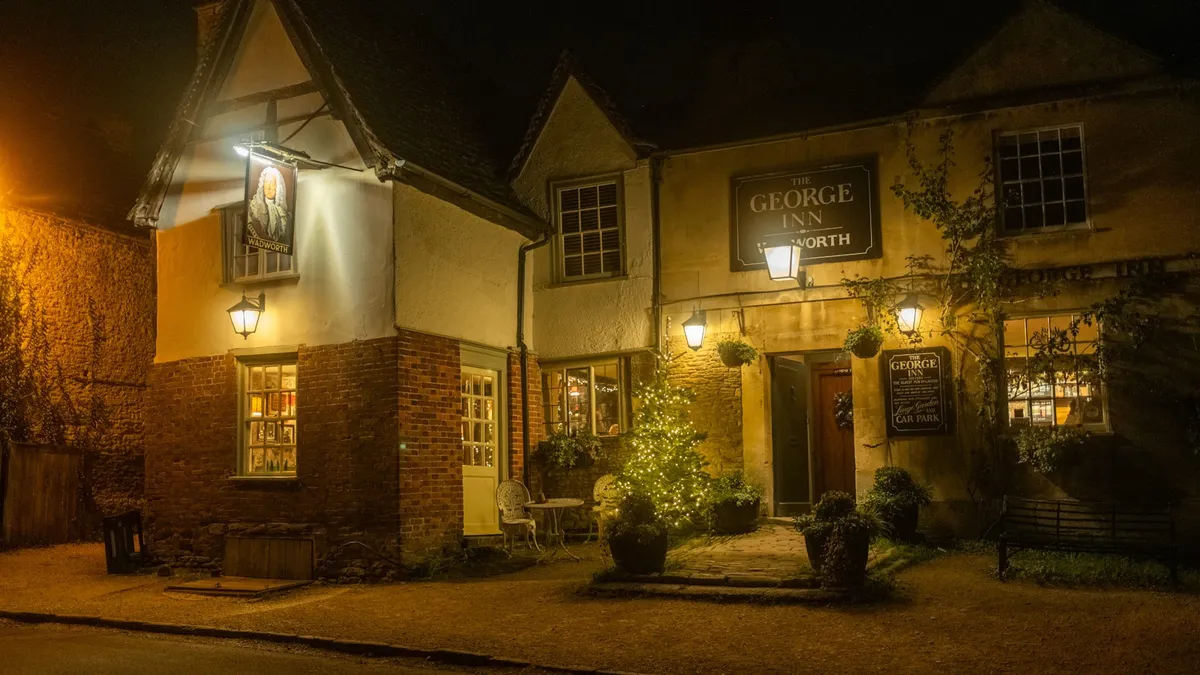
For pubs, restaurants and holiday lets, the stakes are slightly different but no less real. People are often handing over card details, booking deposits, or committing to travel, so a site that looks secure and well maintained isn't a nice-to-have, it's part of what gets the booking confirmed rather than abandoned. If that's your world, take a look at websites for pubs and restaurants or holiday lets and caravan parks.
What to do next
None of this requires a full rebuild. Most of it is fixable in a single afternoon: enabling HTTPS properly, adding a real address and photo to your contact page, sorting out a matching business email address, and making sure your hosting is actually being maintained rather than left untouched since launch. If you want to know exactly where your own site stands, start with our free domain security check, or get in touch and we'll walk you through what needs fixing first.