Websites
One place for your customers and your jobs
A private log-in area where your customers see where their job is up to, with quotes, documents and forms in one place, shaped around how you already run.
- Price
- Quoted per project50% on agreement, 50% on launch
- Total
- Fixed in writingbefore anything starts
- The code
- Yourson final payment
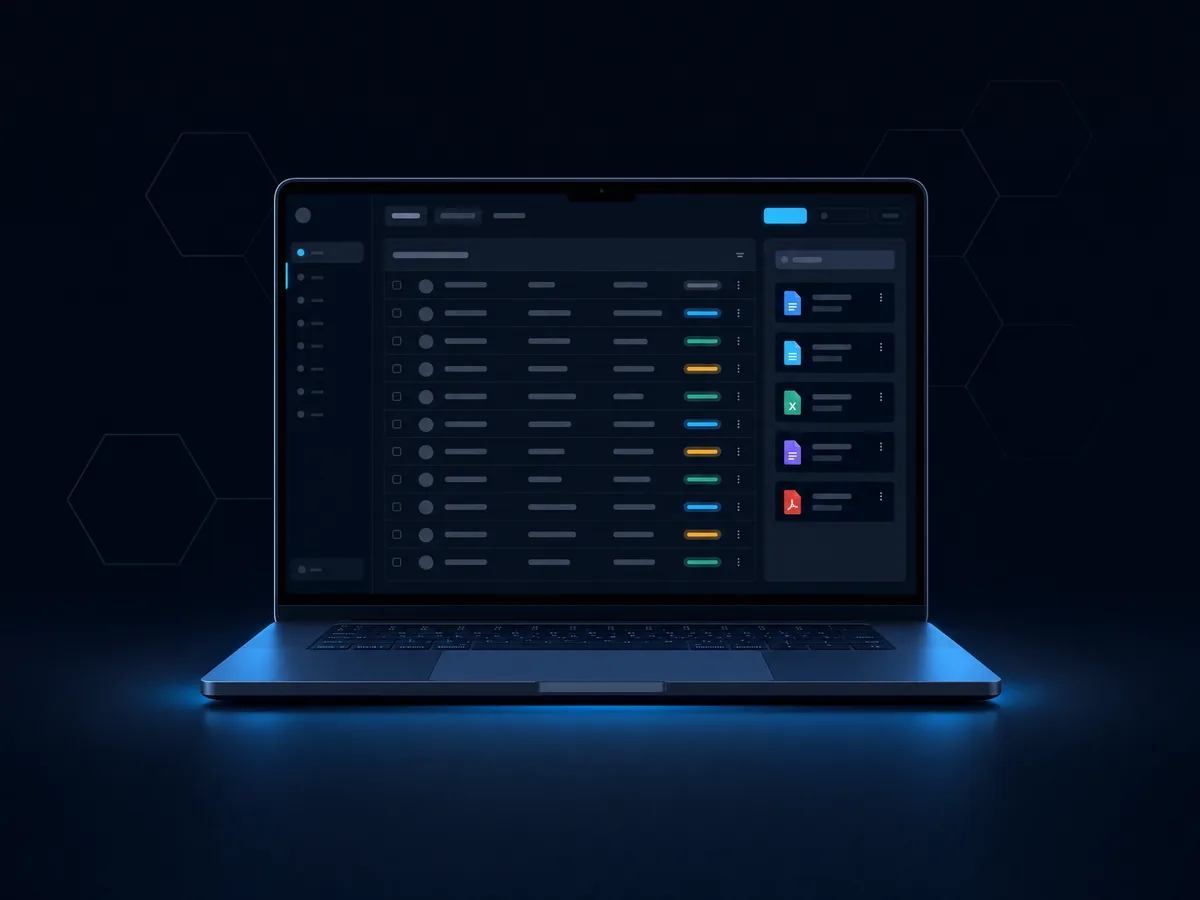
What lives behind the log-in
Every business runs differently, so every portal is different. These are the usual pieces.
- A private log-in for each customer, showing their jobs and nobody else's
- Live job status, so the where-are-we-up-to calls answer themselves
- Quotes, invoices, certificates and photos together, not scattered across an inbox
- Forms that feed straight into the job when they are filled in
- A team side too: an intranet with the day's jobs and handovers
Built around how you already work
Built to fit what you already use, not to make you start again.
It plugs into the calendar you book from, the forms your customers already fill in and the accounts package that raises your invoices, instead of replacing them. One place where everything shows up, not another system to keep fed.
That is the point of building it custom: software shaped around you, not the other way round.
Whether you should buy this yet
Do not buy this yet
If you do not already have £10k a month in consistent job flow, do not buy this yet. A portal multiplies a busy business; it cannot create work for a quiet one.
If the diary is not full yet, the £79 a month plan with local SEO will do more for you, for far less.
How it gets built
Four stages, with the total fixed in writing before any of them starts.
And it is built on the same stack as my own client portal, the system this studio runs on day to day. I am my own first user, which is the fastest way to find out whether software is actually pleasant to live with.
A discovery call
I learn how a job moves through your business, from first enquiry to final payment, so the portal can map that flow rather than fight it.
The spec, agreed in writing
What it will and will not do, in plain English, with the fixed total and a real date beside it. Nothing starts, and nothing is due, until you sign this off; the first half of the payment lands on that agreement.
A mockup you can click through
You see the screens before anything is built, while changes cost nothing but conversation.
The build, against the spec
Built and tested against what was agreed, launched on the agreed date. The second half is due at launch, once you are in and working.
Common questions
- What does it cost?
- It is quoted per project: 50% on agreement, 50% on launch, and the total is fixed in writing, VAT included, before anything starts. There is no honest starting price to put here, because no two portals are alike; a customer log-in with job status is a very different build from a full team intranet. The figure you agree is the figure you pay.
- How long does it take?
- It is scoped per project, and you get a real date after the discovery call, written down next to the fixed total. I will not guess at weeks on a page, because a guess is worth nothing; a date against an agreed spec is something you can hold me to.
- Who owns it?
- You do. Your data is yours throughout: customer records, job history and documents, with a copy available whenever you ask. Copyright in the code transfers to you on final payment, the same as all my per-project work. There is no licence fee and no lock-in.
Goes well with
- Website design and buildA mobile-first site designed to bring in enquiries, with the copy written for you.Plans from £49 a month
- Online appointment bookingBookings taken on your site with your real availability and automatic confirmations.Included in the £79 plan
- Online shops and paymentsPayment links, deposits, gift vouchers and small shops, without the faff.Quoted per project
Tell me how a job runs through your business.
One conversation, then a written spec with a fixed total and a real date.